"this has nothing to do with me" exhibition in Cork
Shirani Bolle, Limerick based multidisciplinary artist of Sri Lankan/Dutch heritage in conversation with Good Day Cork about her latest exhibition at Sirius arts centre in Cobh.
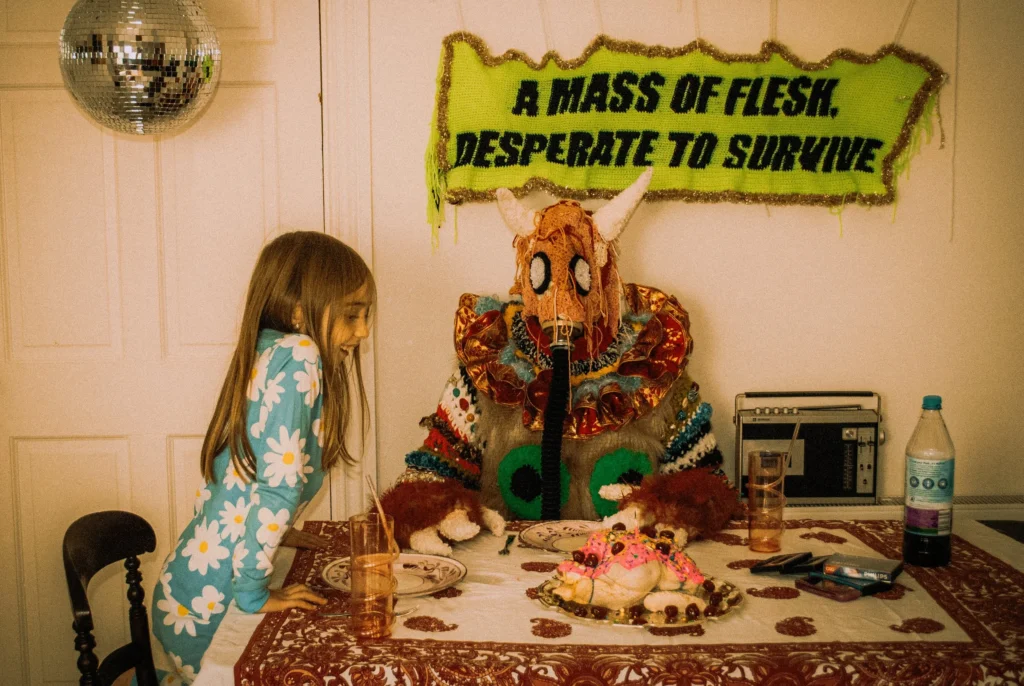
Good Day Cork (GDC): Shirani, please describe your exhibition taking place at Sirius Arts Centre.
Shirani Bolle (SB) : “this has nothing to do with me” is a multidisciplinary exhibition bringing together textile works, performance art, sound and film. The work draws on my own childhood in an emotionally volatile household with a father who was a WW2 Holocaust survivor and a mother who is a Sri Lankan immigrant.
The exhibition explores how historical and political violence continues to shape everyday life focusing on the emotional residue that settles into domestic spaces, language and relationships. The exhibition features a comprehensive selection of works that address themes of care, inter-generational trauma, gender-based violence, and masking.
GDC: Why does your exhibition engage with multiple elements and art forms?
SB: I engage with multiple art forms mainly because my neurodivergent brain gets very easily bored and distracted! I have made art for as long as I can remember but I struggled with retaining my interest in a singular form so it was difficult to make it a regular practice. When I started experimenting with textiles I found a lot of freedom within that medium and felt it much easier to include all of my skill set using textiles at the centre. I almost see the medium as secondary now to the art.
It feels like it is not so important what I use to make the work as its just a means of getting something else out so I tend to feel my way through what feels appropriate for each work I am trying to make. Sometimes that will be crochet other times it will be music or film etc. I think at heart all of my work is performance related, the medium is flexible but I feel like each work is part of a bigger performance that is all linked.
The “self care” is in the doing. I don’t need to step away and then look after myself because the process of making is doing that for me. – Shirani Bolle
GDC: As your exhibition includes personal history, how did you support yourself through the creative journey? Who cared for you? How did you look after yourself?
SB: The work does include personal history but it doesn’t tend to start from that place consciously. I often make something thinking of something that is happening on a wider scale politically within the world and then whilst I am creating the work it becomes clear how these wider issues tie into the everyday stories of my personal history. I think that makes it far less heavy in terms of my own wellbeing.
It’s as though the process of the making is actually caring for myself whilst I am doing it. The “self care” is in the doing. I don’t need to step away and then look after myself because the process of making is doing that for me. I find it easy to see the realities of what I’m feeling when I see what I have made. It’s a language that I don’t have words for. Although I don’t make the work with that intention.
I have done a lot of separate work to understand my past outside of art so now I just get to enjoy these things tumbling out of me and into something new and relevant to the current world. I no longer feel that heavy attachment to these stories so I can just be curious and enjoy what they have been and what they have become.
GDC: You mentioned that one of the themes in the exhibition is inter-generational trauma from racism – so what is your message to majority culture communities?
SB: I would love majority communities to recognise how much closer they are to the immigrants and the people they are fearful of than they are to those who are in power in our society. I would love us all to recognise that we could build a coalition together that would be for more powerful than the systems that try to keep us separate and constantly fighting over tiny scraps.
The enjoyment is the process, it’s not the end result so if you’re not enjoying the process it is a waste of your precious time. – Shirani Bolle
GDC: What have you learned about yourself and also about the world around you while creating your exhibition?
SB: On a practical level I’ve learned that people are willing to help you if you need them but you have to ask! And also that you are normally the one in your own way and it is better to ask for things and get a no than not ask at all. I’ve learned to aim for getting rejected numerous times a week because it puts you on the space for a yes much easier than if you don’t try at all and I’ve learned that nothing you achieve will matter at all if you’re not enjoying yourself! The enjoyment is the process, it’s not the end result so if you’re not enjoying the process it is a waste of your precious time. I’ve also learned that sometimes (often) the best thing to do is stop thinking about yourself so much. Just keep on keeping on as they say. Get out of your head and go for a walk, remain open and the right way will be clear.
Also in relation to the exhibition itself I’ve deeply realised how empty the stories we tell ourselves to create a sense of self are. I always knew this on an intellectual level but making this work has really made it hit home. We go whole lifetimes repeating the same things or uncovering new reasons and explanations as to the how’s and why’s of how the past happened or how the present is and its all just like the fabric in the works. It can be shaped this way and that, to be “ugly” or “pleasing” but it’s nothing solid. It “means” what you make it “mean” and so ultimately you can make it “mean” anything.
The exhibition explores how historical and political violence continues to shape everyday life focusing on the emotional residue that settles into domestic spaces, language and relationships. – Shirani Bolle
GDC: No doubt, your exhibition is powerful because it evokes deep and probably uncomfortable conversations but what impact do you hope to create through your artistic expression prevalent in this exhibition?
SB: The only hope I have for the exhibition is that it makes people feel something. I’m not too concerned with what they feel as I don’t think that’s my job to dictate as the artist but I would hope something is felt as for me that is what art is truly about. We are constantly being convinced to exist in a numb state, that we shouldn’t feel and we should remain docile and compliant but all we are is feeling. Feeling is where all the important conversations start and without feeling this current state of the world we will not progress. So I hope that something is felt by the viewer even if its “negative” that’s fine, I’ve still done my job.
Exhibition Details
The ‘this has nothing to do with me” exhibition is produced by SIRIUS and curated by Miguel Amado, Director. Exhibition runs from 14th Feb to 5th April.
LAUNCH EVENT DETAILS:
Sirius, Cobh
Saturday, 14 February
2-4pm
Free; no booking required
Premiere of Oh Bondage Up Yours, a new performance by Shirani Bolle
Shirani Bolle in conversation with Miguel Amado
Shirani Bolle presents Oh Bondage Up Yours, a new work created specifically for the exhibition’s opening, examining questions of sexuality and power. Following the presentation, the artist and Miguel Amado discuss the exhibition’s central themes and key works, as well as the political and aesthetic considerations that inform Bolle’s practice.
About Shirani Bolle
Shirani is a self-taught, multi-heritage, neurodivergent artist whose work has been exhibited across Ireland and internationally, most recently at Luan Gallery and Sirius Arts Centre.
Through textiles, performance, and sculpture, Shirani’s practice explores identity politics, race, and trauma, drawing from personal and cultural history to examine the complexities of belonging and the human condition.
Born into a mixed household with a Sri Lankan mother and a Dutch-German father who was a WW2 Holocaust survivor, Shirani uses own lived experience as a foundation for this work. Shirani investigates the intersections of heritage and memory, questioning how personal and collective histories shape identity. Domestic spaces, particularly the family home, are central to my practice, serving as sites of both familiarity and hidden tensions. Shirani’s work reveals the strangeness that can exist within seemingly ordinary places, uncovering the layered narratives that exist beneath the surface of the everyday.
Shrinai Bolle primarily works with textile techniques such as embroidery, crochet, and punch needle, reclaiming these historically gendered crafts as tools for fine art. Many of the pieces are wearable and activated through photography, film, and performance, while others exist as standalone sculptures and tapestries. A recurring motif in her work is the mask, which is both a cultural artifact and a personal symbol as a neurodivergent artist. Shirani engages with masking both in a social and artistic sense, referencing Sri Lankan Sanni masks, which were traditionally used in ritual performances to cure physical and mental ailments.
At the core of her practice is the concept of the “third space”—a space that is neither wholly Asian nor wholly European, but a unique fusion of both. Rather than existing as fragments of two cultures, this work asserts a cohesive identity formed at the intersection of histories and traditions. By reinterpreting South Asian artistic imagery within a contemporary, cross-cultural framework, Shirani challenges singular definitions of heritage and selfhood, creating work that exists in dialogue with multiple worlds. Shirani’s website
Few photographs
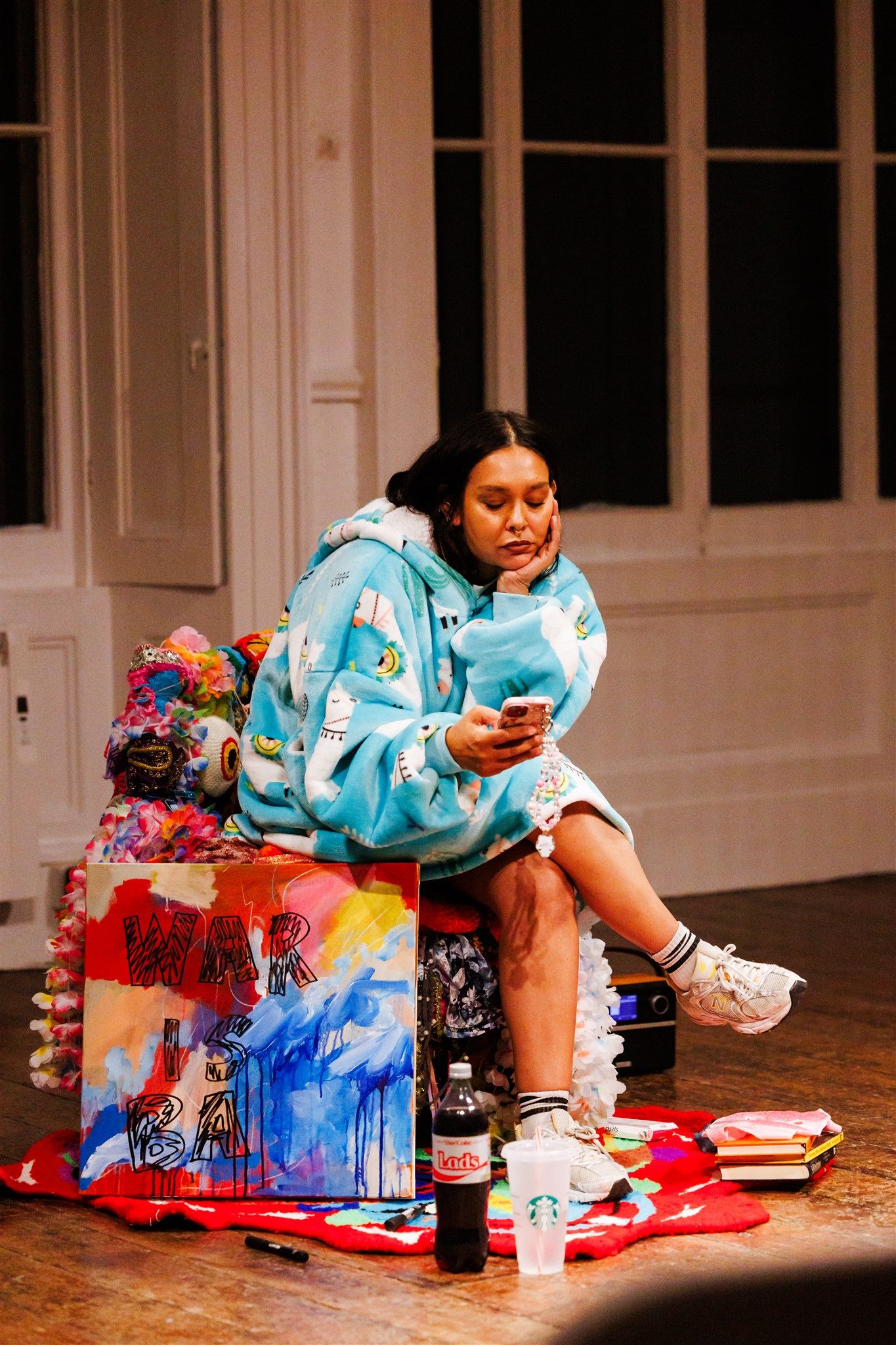
Shriani's performance titled 'Comfort Fruit'
Photo credit John Beasley. Good Day Cork does not own this photograph.
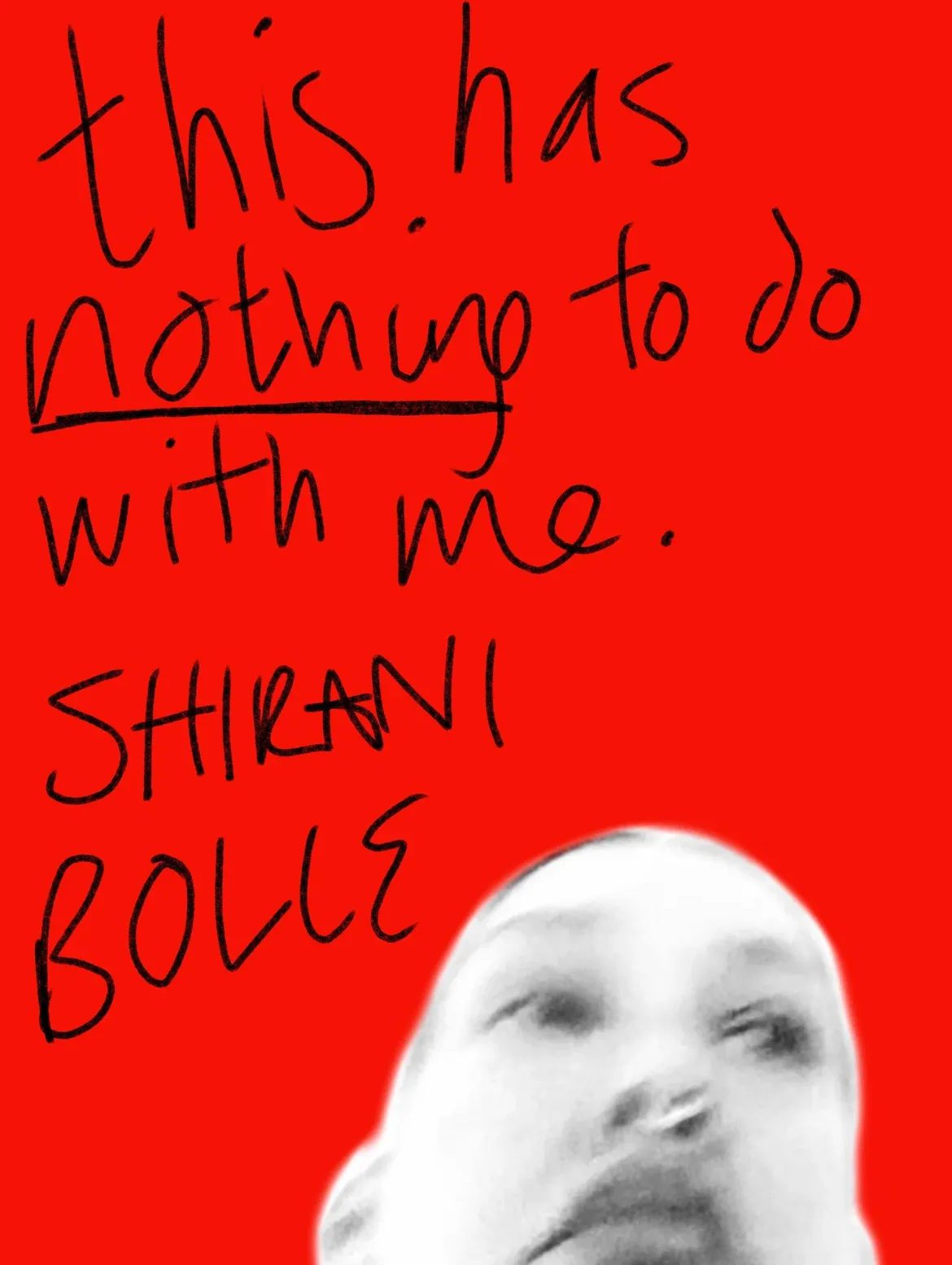
Poster: "there's nothing wrong ith me"
Event launch on 14th Feb 2026 @ 2pm in Sirius, Cobh. Photo submitted by author. Good Day Cork does not own this photograph.
No related posts.